Three-Part Series on Managing Toxic Clients
1: Knowing when to walk away from a toxic client
2: How to walk away from a toxic client – the right way
3: How to prevent a toxic client relationship
Part 2
How to cancel a toxic client with integrity and professionalism
This article will explain:
Once you have determined your client relationship or project has become abusive or unacceptable, how to sever client relations or project ties with integrity and professionalism.
Severing a professional relationship
Unequivocally, there are times when it’s best to sever a business association.
Yet as a professional, it’s paramount the process is managed correctly.
The internal and professional dilemma of ceasing work with an onerous client
Honorable service providers struggle with the choice to part ways with an abusive associate.
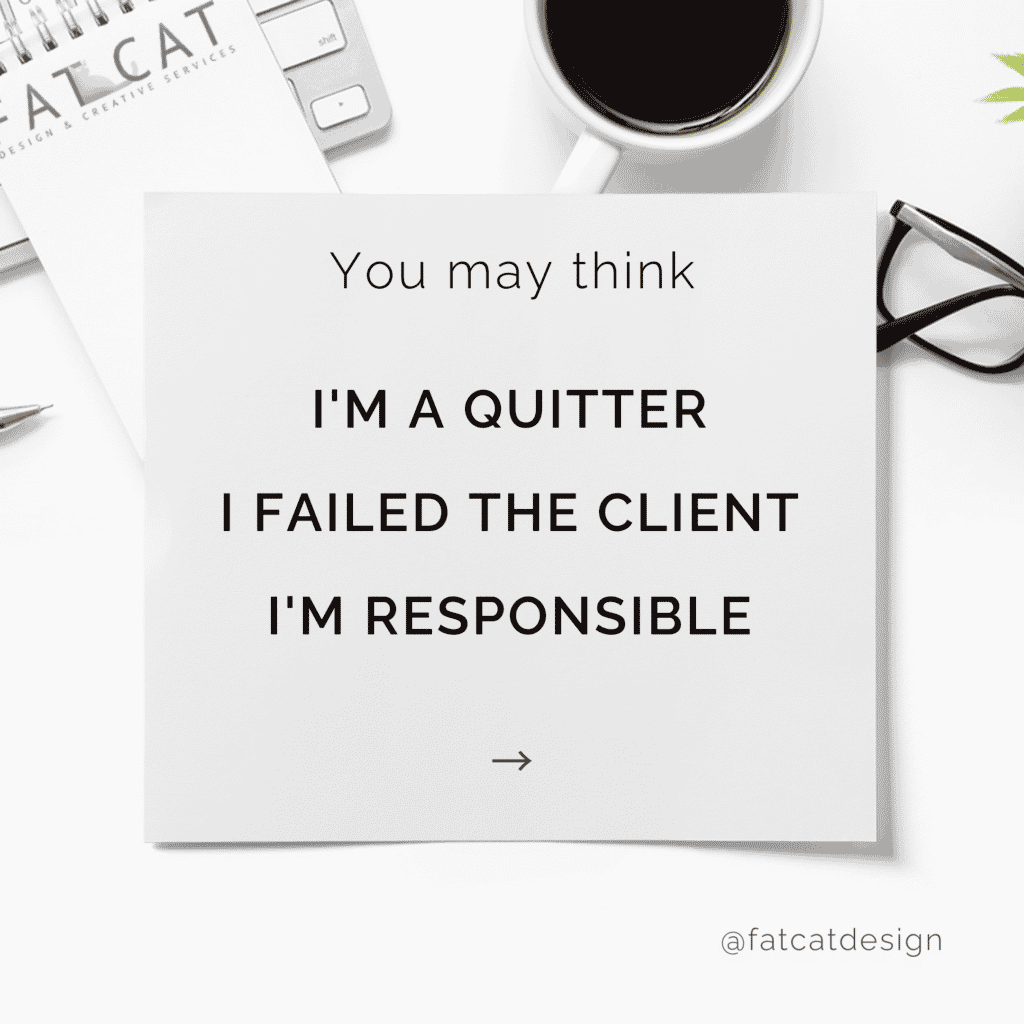
You may feel like a quitter, a failure to the client, or responsible for the client’s malignancy.
Yet, sometimes ejecting yourself from a toxic situation is the optimum resolution for all parties.
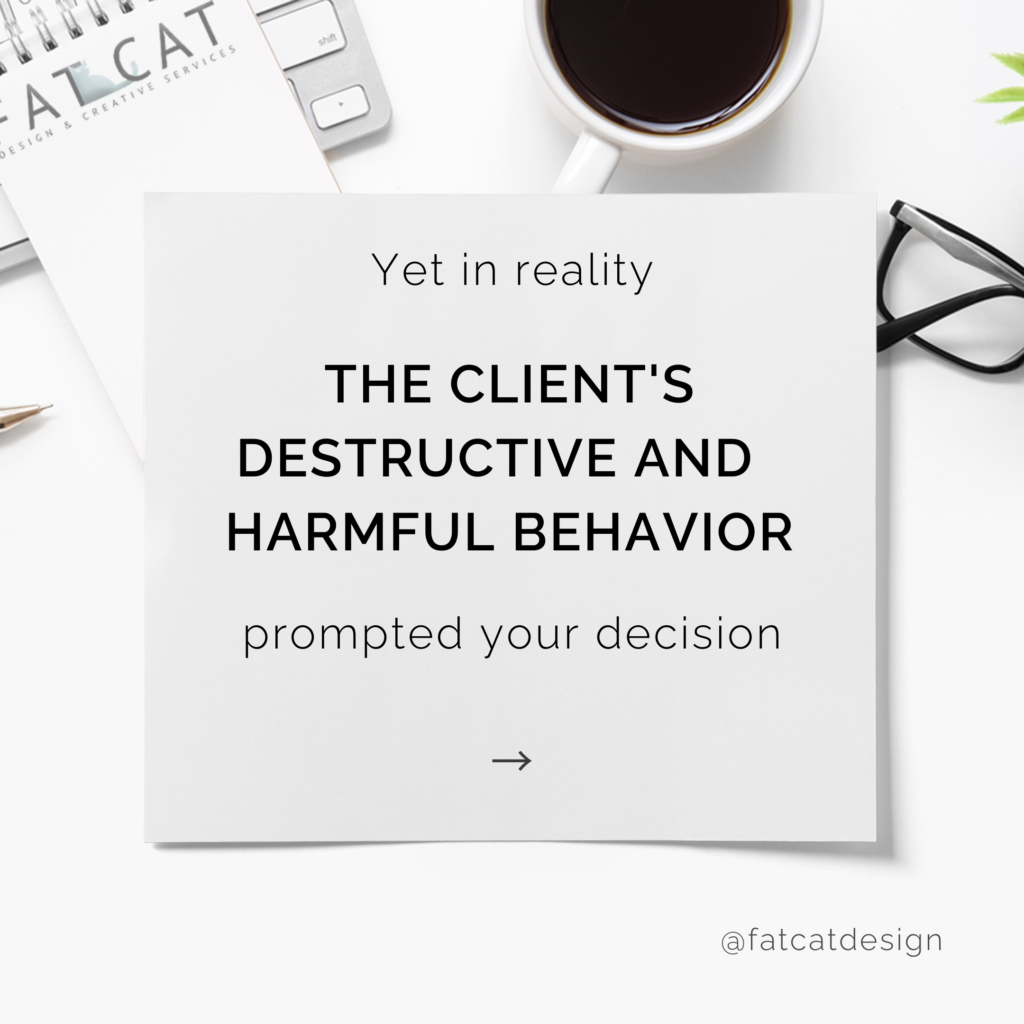
When faced with self-recrimination, reflect on the client’s destructive behavior and harmful actions.
You may feel
As if you are quitting, have failed the client, or are responsible for the current malignancy.
When grappling with these sentiments, remember to reflect on the client’s destructive and harmful behavior.
The right way to walk away from a noxious client or project
Once you have concluded that the professional relationship is unacceptable, it’s time to proceed with the severance process. While doing so, it’s important to handle the process properly.
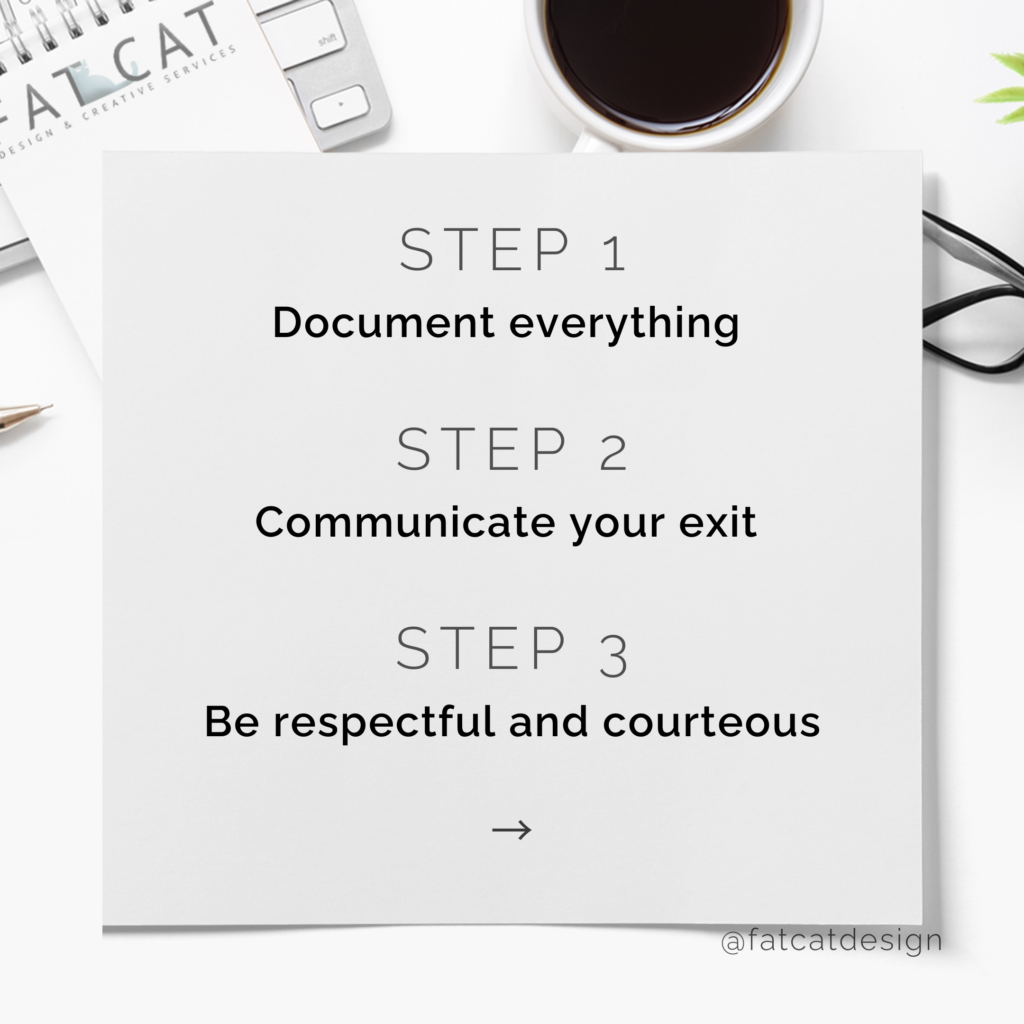
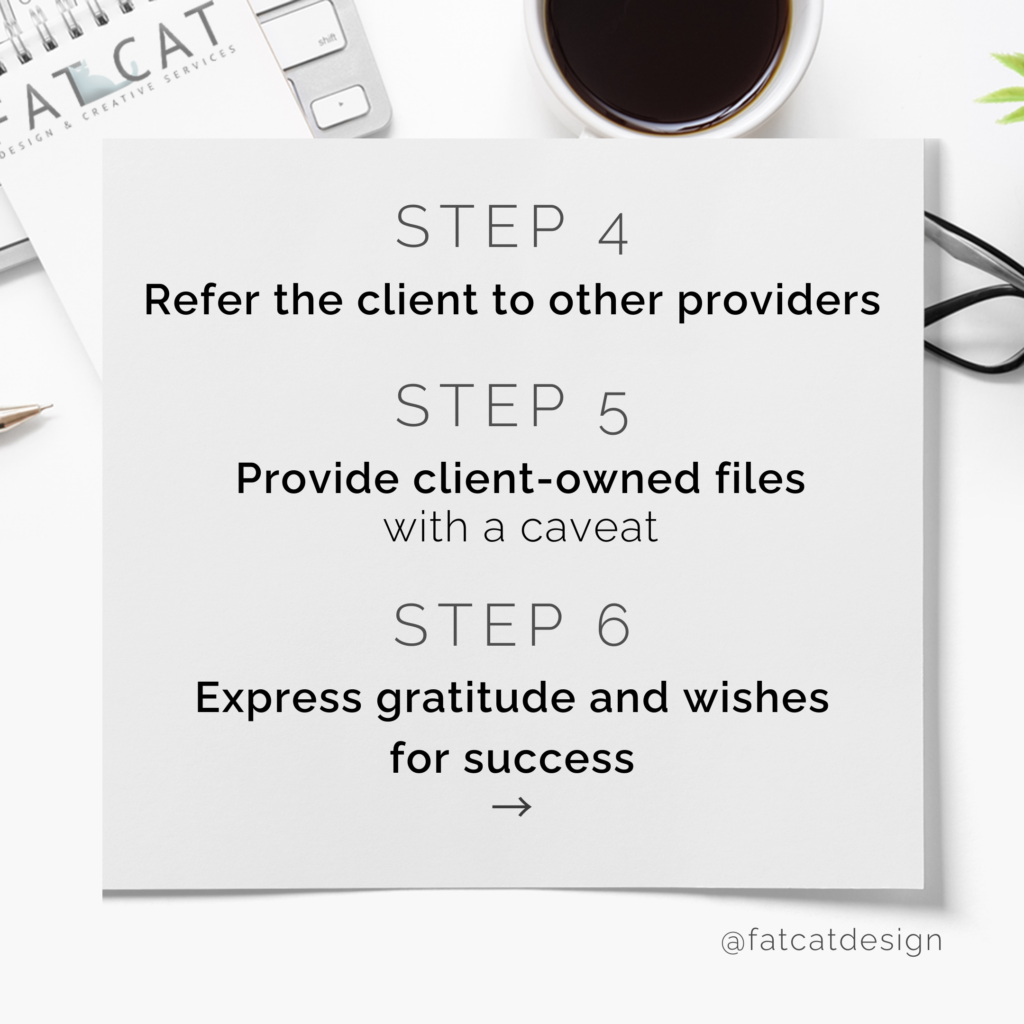
Professionalism and integrity are the correct ways to walk away from a toxic client or project. Here are six steps to follow when cutting client or project ties.


Important
The following steps should already be part of your workflow/processes from start to finish, regardless of client toxicity or behavior.
1. Document everything
Establish and maintain a record of all written, verbal, or electronic communication, along with tracking.
A few tools to consider:
- Cloud-based file storage
Rather than providing your proprietary files directly to the client, place them on a cloud-based app such as Dropbox so you can control who has access to the data. - Billing or invoicing software with auto-reminders and tracking
In the event that there are outstanding or unpaid invoices, cover your fiscal bases with a billing app like Quickbooks, which includes an audit trail of invoice clicks and opens, along with invoice auto-reminders. - Email tracking
Mailbutler or Streak to track email receipts, opens, and hyperlink clicks - Online meeting recording
Zoom to record and retain online meetings and screen share sessions - Screencast or explanatory video recording
Loom or CloudApp are both great options to record, store, and share screencasts and videos - Transcription services
DeScript or Otter.ai to transcribe recorded online meetings, videos, or screen shares
Also handy for quick copy/paste of recaps and follow-up documentation, and eliminating the need to take laborious electronic or hand-written notes during virtual meetings
2. Communicate your exit
Craft and transmit an email stating your decision to cease work with the client or project and your termination date. Outline your reasons for the course of action and reference backup documentation (this is where Document Everything – is paramount).
Remove emotion and present only factual data.
3. Be respectful and courteous
At this point, some clients may elevate abusive or toxic communication and it can be tempting to descend into unprofessional discord. Regardless of how noxious the client has behaved or continues to behave, proceed with professionalism and grace in all communications throughout the severance process.
Be warned
Some toxic clients become increasingly belligerent when their destructive behavior or language does not trigger a response from you.
Refrain from responding to any form of elevated disrespect – no matter what.
4. Refer the client to other providers
When choosing to walk away from a client, customer, or project, it’s important to provide the client with options. As professionals, we do not opt to leave a client “high and dry”. Ensure you offer the client alternate solutions or providers so that the project can be completed and executed successfully.
After all, as design professionals, our priority is helping clients succeed.
Caveat
If the client has proven to be toxic to the extent that referring to another colleague would put your integrity or the colleague in jeopardy or at risk, skip this step.
The last thing you want to do is place a trusted colleague into the same harmful predicament from which you’ve escaped.
5. Provide client-owned files
As long as payment has been received, in full, for any outstanding invoices, provide client-owned files. A good practice is to place a short-term deadline on any file links so said files do not clog space on your local or cloud-based server, and communicate the deadline to the client. This is another example where email tracking comes in handy, lest the client alleges false accusations.
caveat
You are only obligated to provide client-owned files, and with the stipulation that all outstanding payments have been received.
Client-owned files do not include files the client has provided; rather, they include only purchases made on the client’s behalf, and/or design files for which payment has been received.
6. Express gratitude and wishes for success
Express your appreciation to the client or customer for their business, and wish them success.
After all, as design professionals, our priority is helping clients succeed.
Wrapping Up
When a client exhibits toxic, abusive, or disrespectful behavior, your only solution may be to walk away to preserve your integrity, business, and emotional well-being. Taking this necessary step is not giving up, quitting, or throwing in the towel. On the contrary, it’s an act of strength, professionalism, and self-preservation.
Resolve marketing headaches
Promote your business. Connect with customers.
Fat Cat Design specializes in website design, social media, marketing, and graphic design.
We help businesses excel, achieve marketing goals, and succeed.
Contact Fat Cat Design to strategize about your business and services.
Get Started
